A weekend away does not need a big budget or a week of vacation days. Two nights somewhere new can be enough to reset your head, break the routine and give you something to look forward to. The catch is that short trips can get surprisingly expensive when every decision is made at the last minute. With a bit of planning, though, a weekend getaway on a budget can feel every bit as rewarding as a pricier trip, and sometimes more so.
Here is a practical, step by step approach to planning a cheap weekend trip without it feeling cheap.
Start With Your Budget, Not Your Destination
Most people pick a place first and then discover what it costs. Flip that order. Decide what you are comfortable spending in total, including transport, accommodation, food and activities, and let that number guide the rest of your choices.
A simple split works well for most short trips: roughly a third for getting there and back, a third for somewhere to sleep, and a third for food, activities and small extras. If one part comes in cheaper, you have room to treat yourself somewhere else.
Choose a Destination That Fits a Weekend
The biggest hidden cost of a short trip is time spent traveling. A destination that takes six hours to reach eats half your weekend and usually a large share of your budget. Look for places within two or three hours by car, train or bus.
- Smaller cities and towns near you often have lower prices than big tourist hubs, and they are easier to explore on foot.
- Nature escapes such as lakes, coastlines, forests and state or national parks can be very affordable, especially if you enjoy hiking.
- Off season destinations are often dramatically cheaper. A beach town in early autumn or a ski area in summer can be quiet, beautiful and half the price.
Save on Getting There
Transport is often the easiest place to save.
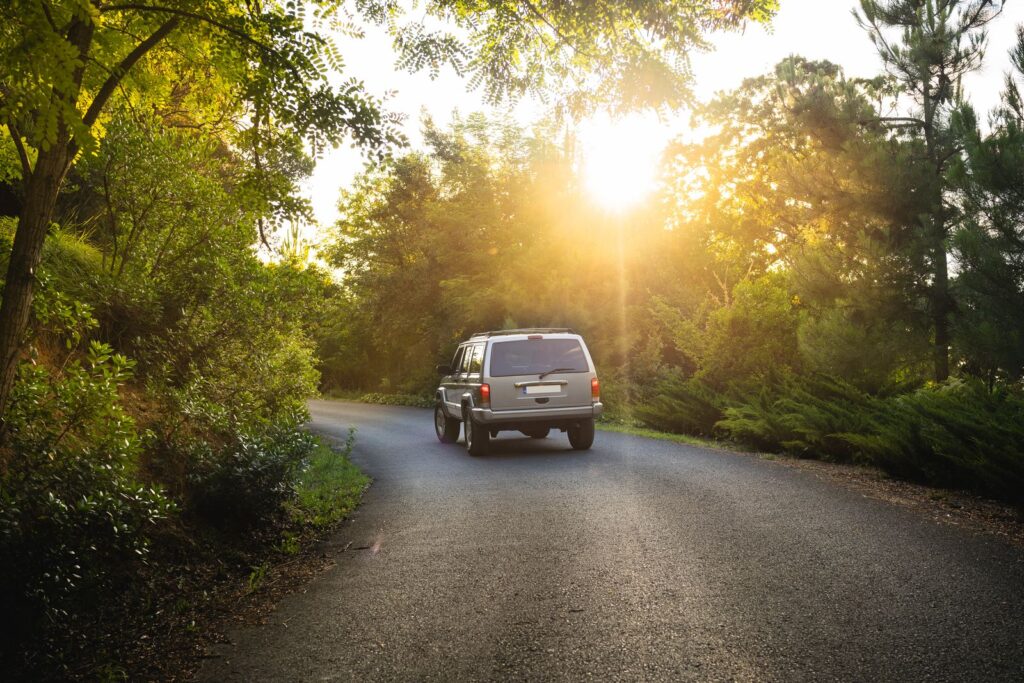
- Drive and split the cost. Traveling with friends and sharing fuel and parking can make a road trip cheaper than any ticket.
- Book trains and buses early. Fares on many routes rise as the date gets closer. Traveling at off peak times, such as a Friday morning or Sunday evening, can also help.
- Be flexible with days. Leaving on Saturday morning instead of Friday evening, or coming back Monday if you can, sometimes cuts both transport and hotel prices.
Find Affordable Places to Stay
Accommodation is usually the largest single expense of a weekend trip, so it pays to compare options.
- Stay just outside the center. A place a short walk or bus ride from the main area is often much cheaper than one in the middle of it.
- Consider guesthouses and small inns. They can offer more character and lower rates than chain hotels.
- Look at hostels with private rooms. Many modern hostels offer clean private rooms at a fraction of hotel prices.
- Camp or book a cabin. For nature trips, campgrounds and simple cabins can be the most affordable and memorable option.
- Book something with a kitchen. Being able to make breakfast and a simple dinner can save a significant amount over a weekend.
Eat Well Without Overspending
Food is part of the fun of travel, but eating every meal in restaurants adds up quickly. A few easy habits keep costs down:
- Have breakfast at your accommodation or grab something from a local bakery.
- Make lunch your main restaurant meal. Many places offer lunch specials that are much cheaper than the same dishes at dinner.
- Visit local markets for picnic supplies and try regional specialties at market prices.
- Bring snacks and a reusable water bottle so you are not buying drinks and treats every hour.
Plan Free and Low Cost Activities
The best parts of a weekend away are often free. Before you go, make a short list of things you would like to do and check which ones cost nothing.
- Walking tours, whether guided on a tip basis or self guided using a map
- Parks, gardens, beaches and hiking trails
- Museums and galleries with free entry days or pay what you wish hours
- Local festivals, farmers markets and live music in public spaces
- Scenic viewpoints, historic neighborhoods and waterfronts
Pick one paid activity you are genuinely excited about and fill the rest of the time with free options. That balance keeps the trip special without blowing the budget.
Keep the Plan Simple
It is tempting to cram a weekend with activities to get your money’s worth. Resist that. Overpacked itineraries lead to rushed meals, taxis to make up lost time and a trip that feels more tiring than restful. Plan one or two anchors per day and leave space for wandering. Some of the best travel moments happen when you have nowhere particular to be.
A Quick Budget Weekend Checklist
- Set a total budget and split it between transport, sleep and spending
- Choose somewhere within two or three hours of home
- Compare travel dates and times before booking
- Book accommodation slightly outside the center, ideally with a kitchen
- List free activities and choose one paid highlight
- Pack snacks, a water bottle and comfortable walking shoes
Conclusion
A great weekend getaway is less about how much you spend and more about how well you plan. Start with a budget, pick a destination close enough to enjoy, save on transport and accommodation, and fill your days with free experiences and one or two treats. You will come home rested, with money still in the bank, and probably already thinking about where to go next.