The term gets thrown around a lot, usually alongside promises of earning money while you sleep. Some of that is true. Most of it is oversimplified to the point of being misleading. Before you sink time or money into any passive income idea, it helps to understand what the concept actually means and what it realistically takes to build.
What Is Passive Income, Really
Passive income is money earned from an asset or system that continues generating returns after the initial work is done, without requiring your constant, active involvement. The key word is initial. Almost every legitimate passive income stream requires upfront effort, money, or both before it produces anything. What makes it passive isn’t the absence of work — it’s that the work happens before the payoff, rather than in exchange for it hour by hour.
This is different from a job or freelance work, where income stops the moment you stop showing up. With passive income, you build something once — a rental property, an investment portfolio, a piece of content, a small automated business process — and it keeps paying you back over time with less ongoing effort than it took to create.
The Myth Versus the Reality
Online marketing has stretched the definition of passive income until it barely resembles the original idea. Ads and courses often suggest you can earn significant money with almost no effort, skill, or capital. In practice, nearly every real passive income stream falls into one of two categories:
- Capital-based: You invest money upfront, and that money works for you (stocks, bonds, real estate, index funds).
- Labor-based: You invest significant time upfront to build something, and it continues earning after the initial effort (a book, an online course, a niche website).
There is no third category where you invest neither time nor money and still get paid. If something is advertised that way, it’s either exaggerated or it’s actually a scheme designed to make money from you, not for you.
Realistic Passive Income Streams to Consider
Dividend Investing
Buying shares of dividend-paying stocks or funds is one of the most straightforward passive income methods. You invest capital, and companies pay you a portion of their profits on a regular schedule, typically quarterly. The income is genuinely passive once the investment is made, but the returns are usually modest relative to the amount invested, and the value of your holdings can go down as well as up.
Time investment: Low, mostly research upfront and occasional portfolio review.
Money investment: Can start small, but meaningful income requires a substantial amount of invested capital.
Rental Property
Owning a property and renting it out is one of the oldest passive income models. It can produce steady monthly income, but it’s less passive than people assume unless you hire a property manager, which cuts into your returns. You’re also responsible for maintenance, vacancies, and unpredictable repair costs.
Time investment: Moderate to high initially (finding, financing, and preparing the property), lower afterward if you outsource management.
Money investment: High. This typically requires a down payment, ongoing mortgage costs, and a financial cushion for repairs.
Creating Digital Products
Ebooks, online courses, templates, stock photos, or software tools can generate income long after they’re created, since one piece of work can be sold repeatedly without being remade each time. This is a labor-based form of passive income: the effort is front-loaded into research, creation, and setup.
Time investment: High upfront to create and refine the product; ongoing time for updates and occasional promotion.
Money investment: Low to moderate, depending on tools or platforms used.
Affiliate Content and Niche Websites
Building a website or blog that earns money through affiliate links or advertising is a common starting point for people interested in passive income. The realistic version of this involves writing genuinely useful content over months or years, slowly building an audience or search visibility. It is not a quick path, and many sites never earn meaningful income. But for those that do, the content keeps working after it’s published.
Time investment: High and sustained, especially in the early stages.
Money investment: Low to start, though hosting, tools, and sometimes paid content can add up.
Peer-to-Peer Lending and Bonds
Lending money through platforms or buying bonds provides interest income in exchange for the risk that a borrower or issuer might not repay. This is capital-based passive income with variable risk depending on the platform or issuer.
Time investment: Low once set up.
Money investment: Required upfront, with risk to the principal.
High-Yield Savings and Certificates of Deposit
These are the lowest-risk, lowest-effort passive income options. Interest rates fluctuate depending on broader economic conditions, and the returns are generally lower than other investment types, but the principal is protected in ways stocks and real estate are not.
Time investment: Minimal.
Money investment: Required, with essentially no risk to the amount deposited.
What Passive Income Actually Requires
Time or Money, Usually Both
Every option above requires you to trade something upfront: time spent building and learning, money invested and put at risk, or some combination of both. The more passive an income stream becomes over time, the more front-loaded the effort or capital usually was. There’s no way around this trade-off, regardless of what a sales page might suggest.
Patience Before Payoff
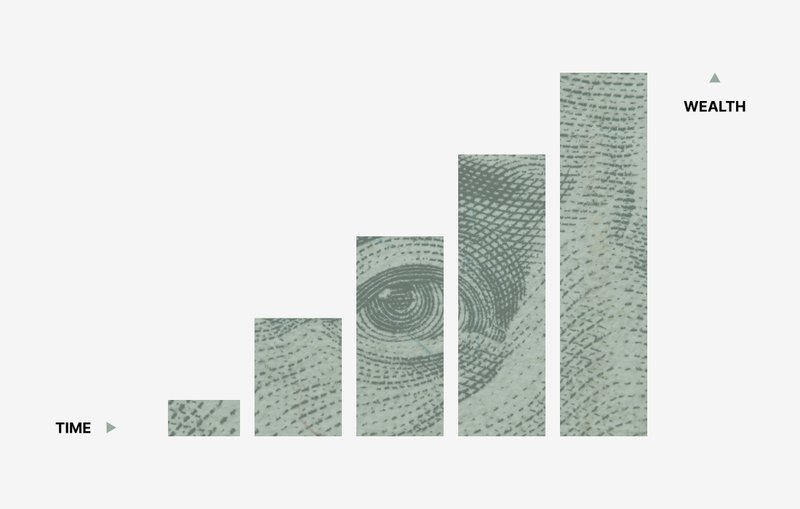
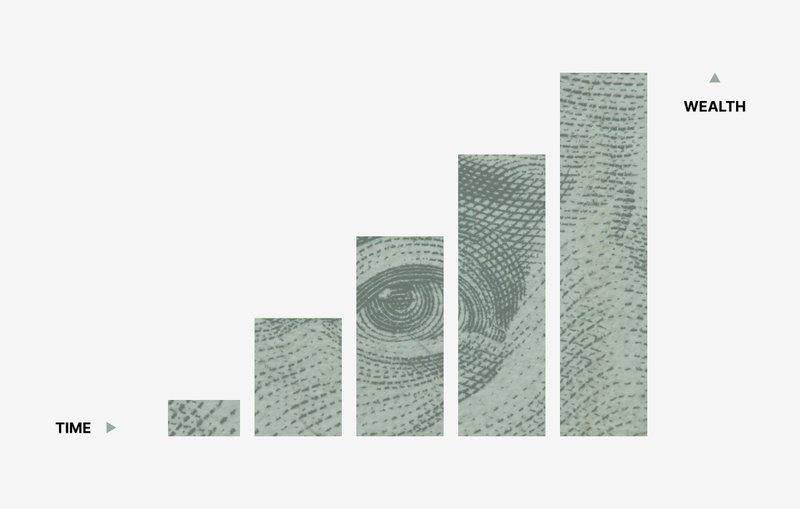
Passive income streams rarely produce meaningful money quickly. Dividend portfolios take years to grow to a size that produces noticeable income. Content-based income usually takes months of consistent output before traffic or sales pick up. Rental income can be immediate, but the upfront capital and ongoing responsibilities are substantial. Anyone promising fast, effortless passive income is either underselling the effort involved or overselling the result.
Ongoing Maintenance
Even the most passive-sounding income streams require occasional attention. Investment portfolios need periodic rebalancing. Digital products may need updates to stay relevant. Rental properties need maintenance and tenant management. “Passive” doesn’t mean “zero maintenance forever” — it means the ongoing effort is much smaller than the effort required to create the income stream in the first place.
Where to Start
If you’re beginning with limited money, starting with a labor-based option like creating a digital product or writing content makes sense, since it requires less capital but more time and patience. If you have savings available and prefer a more predictable path, starting with dividend investing or a high-yield savings account is a lower-effort entry point, even if the returns are modest at first.
Whichever path you choose, it helps to pick one option and commit to understanding it well rather than spreading thin effort or money across several unfamiliar methods at once. Passive income is less about finding a secret shortcut and more about consistently building something of value that continues to pay off after the initial work is done.
Conclusion
Passive income is a legitimate financial concept, but it isn’t the effortless money machine it’s often marketed as. Every real method involves an upfront trade-off of time, money, or both, and most require patience before they produce noticeable returns. Understanding these trade-offs before you start is the difference between building something sustainable and getting discouraged by unrealistic expectations.